
I use AI to do real work,
and write down what happens.
Twenty years building digital products, ten of them on productivity software, now spent finding out what AI does for the work you already have. I ship with it and publish what I learn, including theparts that fail.
I was a lead engineer on Wunderlist before Microsoft acquired it in 2015, then a Principal Product Manager there. I co-founded informed, a news company backed by HV Capital and 468 Capital. Today I am CTO of Umane, an athletic health club in Berlin where I build the platform and the digital twin behind it, and co-founder of Supercharged, where we run AI workshops for teams.
Most of my week is spent writing code with these tools. I have put several apps and platforms into production that way. Not prompting an assistant for snippets: building the context, the tools and the guardrails a model needs, then running it against a real codebase until it holds up under load.
I keep a harness of my own for this and rebuild parts of it most weeks as the models change. Every release gets tried on something real rather than a benchmark, which is how you find out that the thing everyone is excited about breaks on your data. That is where the writing comes from.
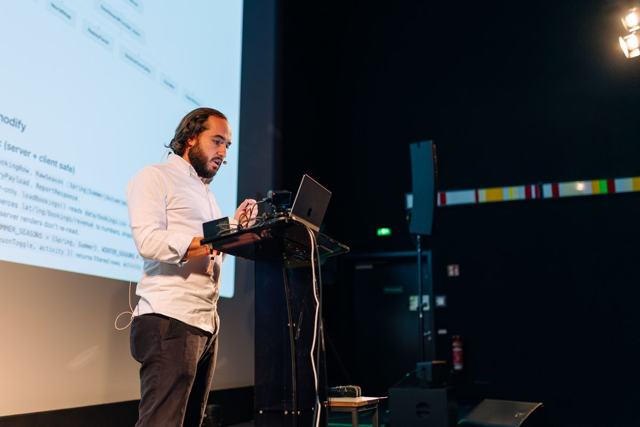
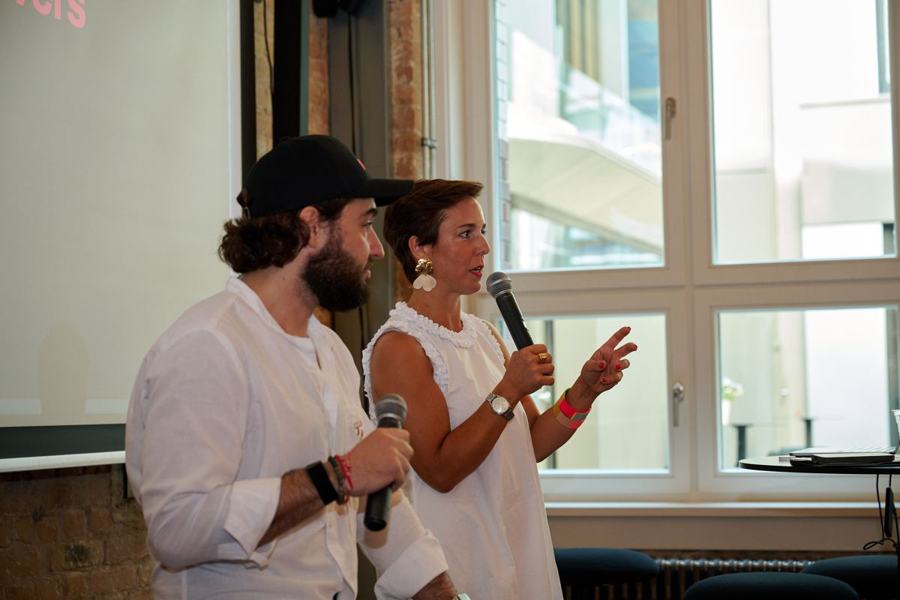
Talks and appearances

What Actually Works
Real cases where AI made my work or my life easier, and what I learned from them. Plus experiments I build myself, some of them in the lab.
- My test ranked the models backwardsI wanted a model on my laptop to sort my mail. On made-up mails the big models won. On my real inbox, a small model with three lines of context missed fewer of the mails I actually answer than Claude did.
- The graph my Mac kept about memacOS has been building a knowledge graph of the people in my life since 2022. I opened it, cleaned up what feeds it, and plugged it into my AI chief of staff.
- Berlin used to fill the gap with savings. Now it borrows.Berlin plans to spend €45 billion in 2026. Where the money comes from, where it goes, and why the bill for interest rises faster than almost anything else, told in 4,500 dots.
- The lots I run pastBerlin is arguing about buying back apartments. I wanted to know how many new ones would fit on the empty land I jog past, so I checked every parcel in the city in an afternoon.
- Every correction becomes a ruleEight months with an AI chief of staff that lives in my notes, and the habit that made it mine.
- It digs, I sequenceHow saved reels, my Rekordbox library and seven DJ personas became a setup that finds and critiques music for my sets. It may not order the set.
Everything else is in the archive. Everything in it is tested before it reaches you.
The lab
What I test goes on supercharged.sh, with the method and the data. Most experiments get switched off.The ones that work get built into real products.
Berlin in data
Baulücken shows where Berlin could still build homes: empty sites, low rooftops and single-storey supermarkets. The story.
The budget explorer shows Berlin's €45 billion budget in 4,500 dots, where the money comes from and where it goes. The story.
Working together
Through Supercharged in Berlin I run AI workshops and hands-on sprints for teams: strategy and adoption with leadership, and the technical side, the agents and automations that keep running after the workshop ends.
Most of the teams I work with are past the demo stage. They have tried the tools, seen something promising, and now need it to work when they are not watching. If that is where you are, send me an email.
How we run it, from the first survey to agents a team owns, is written up in the Supercharged approach.
Teams I have worked with













More
About · LinkedIn · Instagram · GitHub · X · Email · RSS
Last updated 18 November 2026